
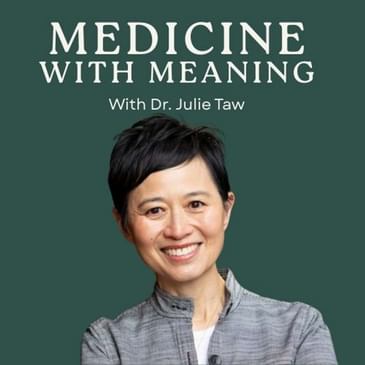
Welcome to Medicine with Meaning. In this episode, Dr. Julie Taw to unravels the often confusing world of medical testing. From blood work and hormone panels to gut and genetic tests, the conversation dives into why lab results can feel overwhelming and how to approach them with clarity and intention. Dr. Julie Taw brings a holistic perspective on using lab tests as supportive tools rather than definitive labels, emphasizing the importance of the patient’s story, lifestyle, and environment alongside numbers on a report. Together, they explore when testing is helpful, how to avoid unnecessary worry, and the value of a stepwise, individualized approach. If you’ve ever felt anxious about medical tests or uncertain where to start, this episode is here to guide you toward a more grounded understanding of your health.
00:00 "Whole-Person Approach to Testing"
05:18 "Normal Labs, Persistent Symptoms Explained"
08:43 Fatigue: Beyond Blood Test Basics
12:46 Evolving Clinical Judgment Over Time
15:01 "Observation and Clinical Intuition"
19:26 Preventing Diabetes Through Early Detection
22:35 "Lab Results Need Context"
29:50 Holiday Indulgence Raises Cholesterol
31:59 "Importance of Testing in Health"
34:38 "Basic vs. Advanced Health Testing"
40:10 Body as an Ecosystem
42:23 "Interpreting Lab Results Thoughtfully"
46:33 Individualized Health Testing Basics
47:48 "Labs: Tools, Not Health Definitions"
Medicine with Meaning: Demystifying Medical Testing Through a Whole Person Lens
Medical testing is often a source of confusion and anxiety. Blood work, hormone panels, gut tests, and genetic screens seem to promise answers but can also leave us overwhelmed and uncertain. In this episode of Medicine with Meaning, host Dr. Julie Taw unpacks these challenges and bring clarity to the role of lab testing in our health journeys.
Beyond Numbers: Testing as Clarification, Not Definition
Dr. Julie Taw emphasizes a central principle: labs should clarify a clinical story, not replace it. She encourages beginning with understanding the whole person, what they’re feeling, how their symptoms fit into their larger life context, and what their body may be communicating. Testing, she explains, is most helpful when it answers a real, relevant question rather than igniting a chase for answers out of uncertainty or overwhelm.
“More testing doesn’t always create more clarity,” she shares. Instead, it’s about the right testing at the right time, integrated with a patient’s daily habits, emotional health, environment, and medical history.
The Limits of Testing and the Power of Foundations
Many people pursue testing hoping to resolve discomfort or unease, only to find their labs “normal” but their symptoms persistent. Dr. Julie Taw acknowledges the frustration this brings. She notes that standard labs may not reveal early dysfunction or subtle imbalances, testing is limited by the current tools and technology. Sometimes, advanced labs are needed, but even these do not capture every nuance of health.
Where to start, then? She recommends stabilizing health foundations, sleep, nourishment, blood sugar regulation, and stress management, before diving into complex testing. Once these roots are supported, lab results often become more meaningful and actionable.
A Stepwise Approach Brings Clarity and Calm
Rather than testing everything at once and sorting through an avalanche of numbers, Dr. Julie Taw suggests a stepwise approach. Beginning with the most probable contributors to symptoms and proceeding methodically avoids overwhelm and confusion. This collaborative style allows testing to unfold in stages, responding to what’s learned and keeping the process grounded.
She likens good testing to good medicine: it follows the story and emerges over time, rather than all at once.
Labs: Snapshot, Not Story
Dr. Julie Taw describes the body as an ecosystem shaped by interacting systems, metabolism, hormones, immune function, sleep, and lifestyle. Labs are mere snapshots, she explains, offering information on specific processes but not the full landscape. They do not measure lived experience, such as stress load or resilience, nor do they capture the subtleties of how someone feels in their body.
Putting results in context is crucial. Lab values can shift temporarily in response to stress, exercise (like running a marathon), or even a recent illness. An abnormal reading should not inspire panic; perspective and rechecking are key.
Agency, Prevention, and Empowerment
Dr. Julie Taw’s own experience as a patient has made her appreciate testing not just for diagnosis but for prevention, especially in metabolic health. Testing can identify risks before symptoms surface, offering an opportunity for intervention and empowerment, these numbers, she reminds us, are dynamic and modifiable.
She encourages listeners to start with a conversation, not a list of labs. Basic screening, guided by health goals and personal risk factors, provides a baseline and direction. Working with a trusted clinician helps prioritize what matters most.
A Lab Is Not Your Identity
The episode concludes with a reminder: lab reports are information, not identity. Paired thoughtfully with your story and context, they are powerful tools for healing, not a judgment or prediction. The goal isn’t perfection in numbers, but understanding your body well enough to support it over time.
For anyone feeling overwhelmed or uncertain about medical testing, this conversation offers reassurance, clarity, and a more meaningful path forward grounded in whole-person care.
If you have questions about labs, testing, or your health journey, Dr. Julie Taw welcomes you to reach out via her website or Instagram, continuing the conversation of healing and understanding.
Show Website - https://medicinewithmeaning.com/
Dr. Julie Taw's Clinic Website - https://julietawmd.com/
Dr. Julie Taw's Instagram - @julie.taw.md
Media/Podcast Partner: TopHealth - www.tophealth.care
“Disclaimer: Informational only. Not medical advice. Consult your doctor for guidance.”