
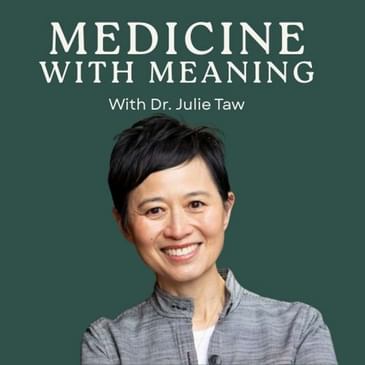
Welcome back to Medicine with Meaning. In this episode, the conversation focused on an often overlooked but essential aspect of women's health: libido. The discussion explored how chronic exhaustion, stress, hormonal changes, relationship dynamics, and self-care all influence sexual desire, particularly in midlife. Listeners are invited to consider libido not as an isolated issue, but as part of overall wellbeing and health. Several points were raised, including the impact of fatigue, the distinction between spontaneous and responsive desire, the role of hormones and physical comfort, and the importance of open communication and compassion for oneself. This episode offers practical insights and reassurance for women experiencing changes in libido, reminding us that sexual wellbeing deserves attention, care, and understanding.
00:00 Understanding Libido and Fatigue
04:41 Understanding Changes in Libido
08:50 Impact of stress on intimacy
14:22 Understanding Spontaneous vs. Responsive Desire
17:21 Feeling safe and open to joy
19:11 Understanding menopause and GSM effects
22:23 Identifying root causes of health issues
26:22 Discussing women's expectations and self-care
30:40 Prioritizing Self-Care and Intimacy
34:35 Factors affecting sexual wellbeing
37:21 Understanding changes in sexual desire
38:45 Navigating personal health changes
Understanding Libido and Women's Wellbeing: Key Insights from "Medicine with Meaning"
If you've ever wondered why your sexual desire has changed or struggled with intimacy while juggling the complexities of daily life, you are not alone. The latest episode of "Medicine with Meaning" with Dr. Julie Taw and Ibre provides a compassionate and comprehensive look at women's libido, particularly during midlife. Here, we unpack essential takeaways from their heartfelt conversation and offer practical advice for women seeking to understand and support their wellbeing.
Fatigue and Libido: The Overlooked Connection
One of the biggest insights from Dr. Julie Taw is the direct link between exhaustion and a declining sex drive. Many women find their desire for intimacy wanes during demanding times, whether it's managing work, family, or personal health. Sexual desire is not a separate compartment of health; it is influenced by energy levels, sleep quality, stress, and emotional wellbeing. Often, a lack of interest in sex is a sign of depletion, not just disinterest, and it pays to ask what might be causing this exhaustion.
Fluctuation is Normal: When Should You Be Concerned?
Libido naturally changes throughout a woman’s life. Dr. Julie Taw stresses that there is no universal standard for what is "normal." Variations can arise due to life circumstances, health changes, or major life events. The crucial question is whether these changes are affecting your wellbeing or quality of life. If a persistent shift in desire is troubling you or is accompanied by symptoms like pain or fatigue, it might be time to seek support and explore the underlying reasons.
The Hormone Puzzle: Beyond Simple Explanations
Hormones like estrogen and testosterone certainly influence libido, especially during perimenopause and menopause. Declining estrogen levels can lead to vaginal dryness or discomfort, making intimacy less appealing. However, Dr. Julie Taw encourages women not to oversimplify the issue. Hormonal changes can also impact mood and sleep, which, in turn, affect desire. Nevertheless, hormone therapy is not a one-size-fits-all solution. Understanding your unique physical and emotional context is key.
The Impact of Stress on Intimacy
Chronic stress places the body in a state of vigilance and problem-solving, which is not conducive to relaxation or pleasure. Dr. Julie Taw explains that stress can sabotage intimacy by disrupting sleep, causing fatigue, and leading to emotional exhaustion. Creating space to relax, shift focus from daily demands, and fostering nervous system regulation are crucial steps to enhance connection and desire.
Spontaneous vs Responsive Desire
It’s important to recognize that sexual desire does not always appear out of the blue. Many women, especially in long-term relationships or midlife, experience “responsive desire.” This means interest emerges in response to affection, emotional connection, or physical closeness, rather than appearing spontaneously. Understanding this difference is vital for reducing self-judgment and opening up honest conversations with partners.
Addressing Physical Discomfort
Sometimes low libido is a result of physical discomfort. Menopause can cause vaginal and vulvar changes that result in pain during intimacy. The good news is that treatments like vaginal moisturizers, lubricants, local estrogen, or pelvic floor therapy can help restore comfort. Addressing physical issues is just as important as tackling emotional or hormonal factors.
Looking at the Whole Picture
A meaningful approach to low desire involves considering the whole person. This includes sleep quality, medication effects, mental health, body image, relationship health, and physical comfort. Rather than focusing solely on hormones, Dr. Julie Taw advocates for understanding the broader context and recognizing the interplay of multiple factors.
The Role of Self-Honor and Communication
Expectations placed upon women can create guilt or shame around intimacy. Dr. Julie Taw encourages shifting from self-judgment to curiosity and self-honor. Instead of seeing libido as another area to perfect, women deserve to approach it with compassion, addressing their needs without pressure. For those in relationships, open and honest communication with partners is vital to mutual understanding and intimacy.
Practical Steps to Support Sexual Wellbeing
Supporting your sexual health starts with evaluating your overall wellbeing. Are you rested, managing stress, and feeling emotionally connected? Adjusting the timing of intimacy to when you have more energy, such as on weekend mornings, can also help. If challenges persist, seek individualized medical advice and consider treatment options that address your unique needs.
Conclusion: Defining Sexual Wellbeing for Yourself
The journey to understanding libido is deeply personal. Dr. Julie Taw reminds listeners that changes in desire are common, especially in midlife, and do not indicate failure or inadequacy. Sexual wellbeing should always be defined by what matters to you. Approach yourself with curiosity and care, seek help when needed, and honor your needs as an essential part of your overall health.
For more insights and heartfelt discussions on women's health, follow Dr. Julie Taw on Instagram @julie.taw.md and tune in to "Medicine with Meaning."
Show Website - https://medicinewithmeaning.com/
Dr. Julie Taw's Clinic Website - https://julietawmd.com/
Free Guide - https://go.julietawmd.com/reset
Dr. Julie Taw's Instagram - @julie.taw.md
Media/Podcast Partner: TopHealth - www.tophealth.care
“Disclaimer: Informational only. Not medical advice. Consult your doctor for guidance.”